
Interceptor Emptying
Interceptor and Tank Emptying for Commercial Sites
Why Interceptors Need Planned Servicing
Interceptors retain oil, fuel, silt and other contaminants before water leaves a commercial or industrial site. As the unit fills, its capacity and separation performance reduce, increasing the risk of blocked outlets, pollution and non-compliance. Planned emptying and inspection allows maintenance frequency to be based on the site, the interceptor size and the waste levels found rather than waiting for a failure.
Emptying, Cleaning and Compliance Records
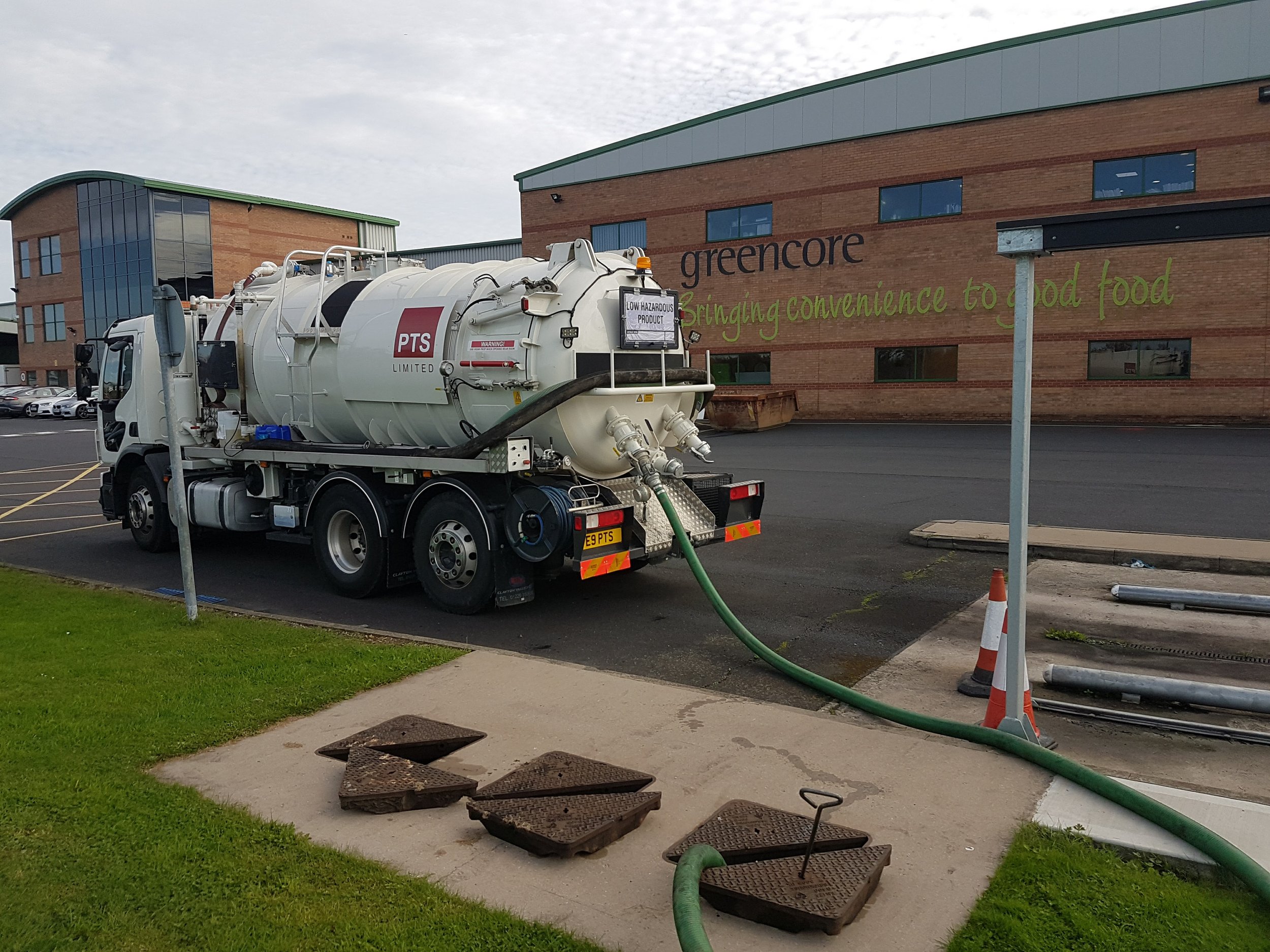
PTS Drainage operates tanker and jet-vac equipment for interceptors and tanks of different sizes. We can remove oil, sludge, silt and solids, clean the chamber, inspect accessible components and recharge the unit with clean water where required. Collected waste is transported to an appropriate licensed facility, with waste-transfer and duty-of-care documentation supplied for site records.


Think We Can Help?
Contact Us Today
Please click the button below to fill out our enquiry form or alternatively call us on 0114 261 7015 for advice.