
Planned Preventative Drainage Maintenance

Proactive Drainage Maintenance for Commercial Sites

PTS Drainage provides planned preventative drainage maintenance for commercial, industrial and public sector sites across Sheffield, Yorkshire, Derbyshire, Nottinghamshire and surrounding areas.

Drainage systems are often overlooked until there is a blockage, flood, odour issue or compliance concern. Planned maintenance helps reduce the risk of unexpected drainage problems by keeping gullies, ACO drains, interceptors, surface water systems and foul drainage lines clear and operating correctly.

We work with facilities managers, estates teams, local authorities, transport sites, industrial sites and commercial property managers to create practical maintenance schedules based on site usage, drainage layout and previous issues.
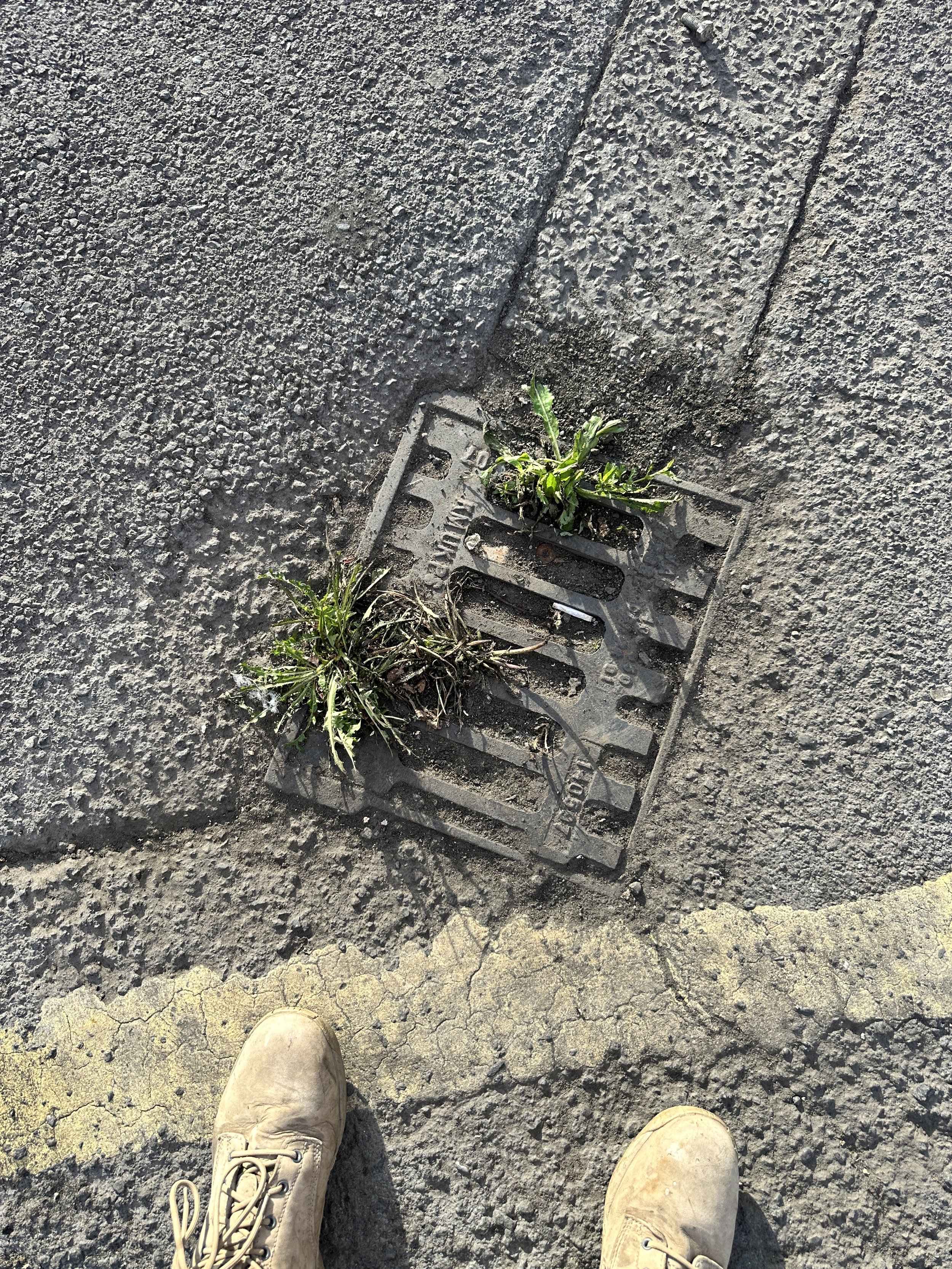
A close-up view of a storm drain on a paved street with weeds growing through it. The photo is taken from a person's perspective, showing beige boots standing on the street.
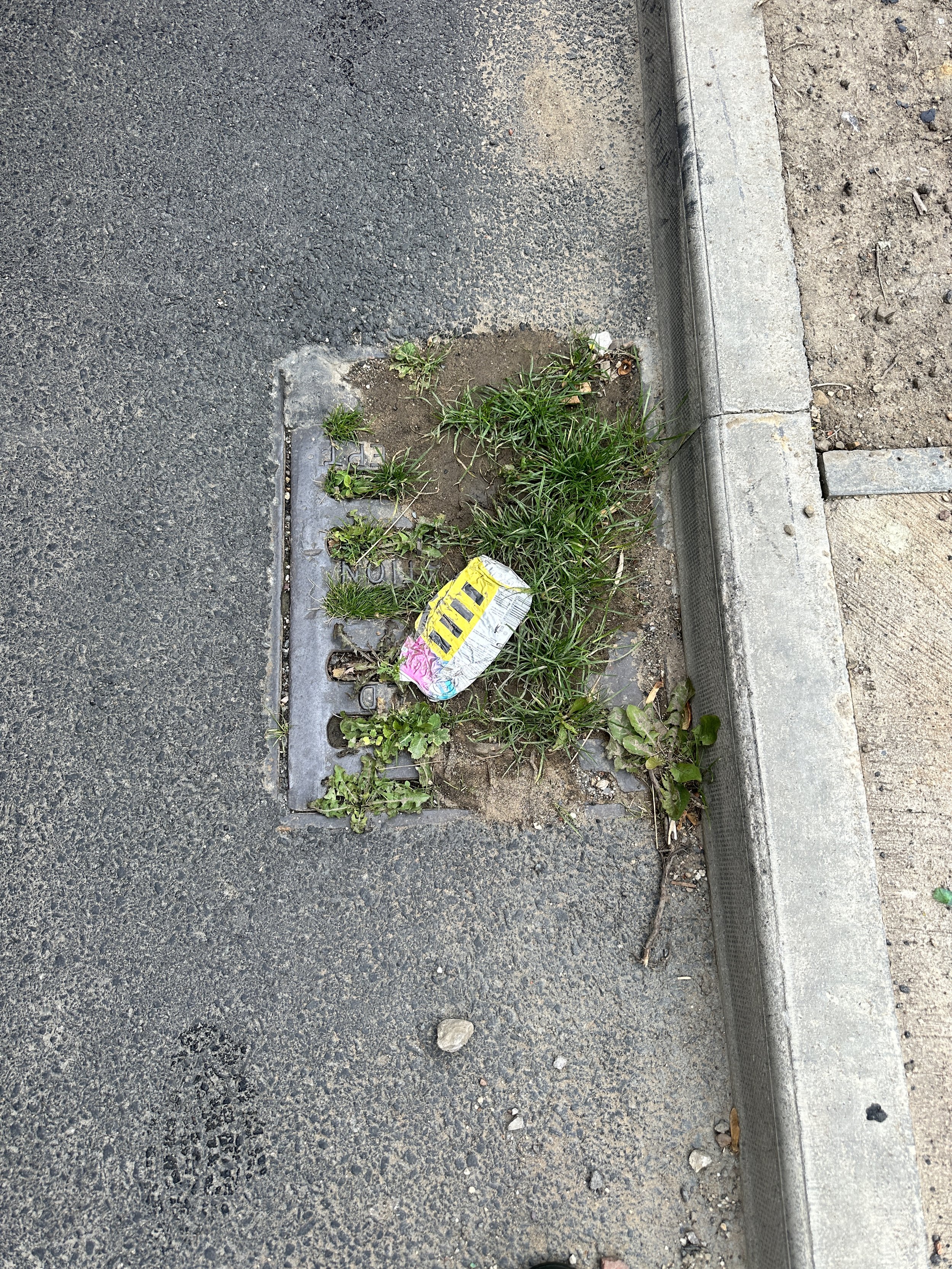
Weeds growing in a street drain cover, with trash and dirt around them, next to a curb on an asphalt road.
Worker in rubber boots using a vacuum hose to clean a long, open drainage grate on a parking lot, with trucks and a person in the background.
Green weeds growing in the crack of a sidewalk next to a bicycle lane.

Why Planned Drainage Maintenance Matters

Blocked or poorly maintained drainage can quickly cause disruption to a site. Standing water, flooding, slow-running drains, foul smells and surcharged manholes can create health and safety risks, operational delays and potential environmental issues.

A planned preventative maintenance programme helps to:

  • Reduce emergency call-outs

  • Prevent avoidable blockages

  • Reduce flooding risk

  • Keep surface water systems flowing

  • Maintain interceptor performance

  • Support environmental compliance

  • Identify issues before they become costly repairs

  • Keep sites operational and safe

  • Provide clear records of drainage maintenance

For many commercial sites, regular drainage maintenance is more cost-effective than waiting for a problem to occur.

Close-up view of a metal drain grate on wet pavement reflecting the sky, with a brick building and a fence in the background.
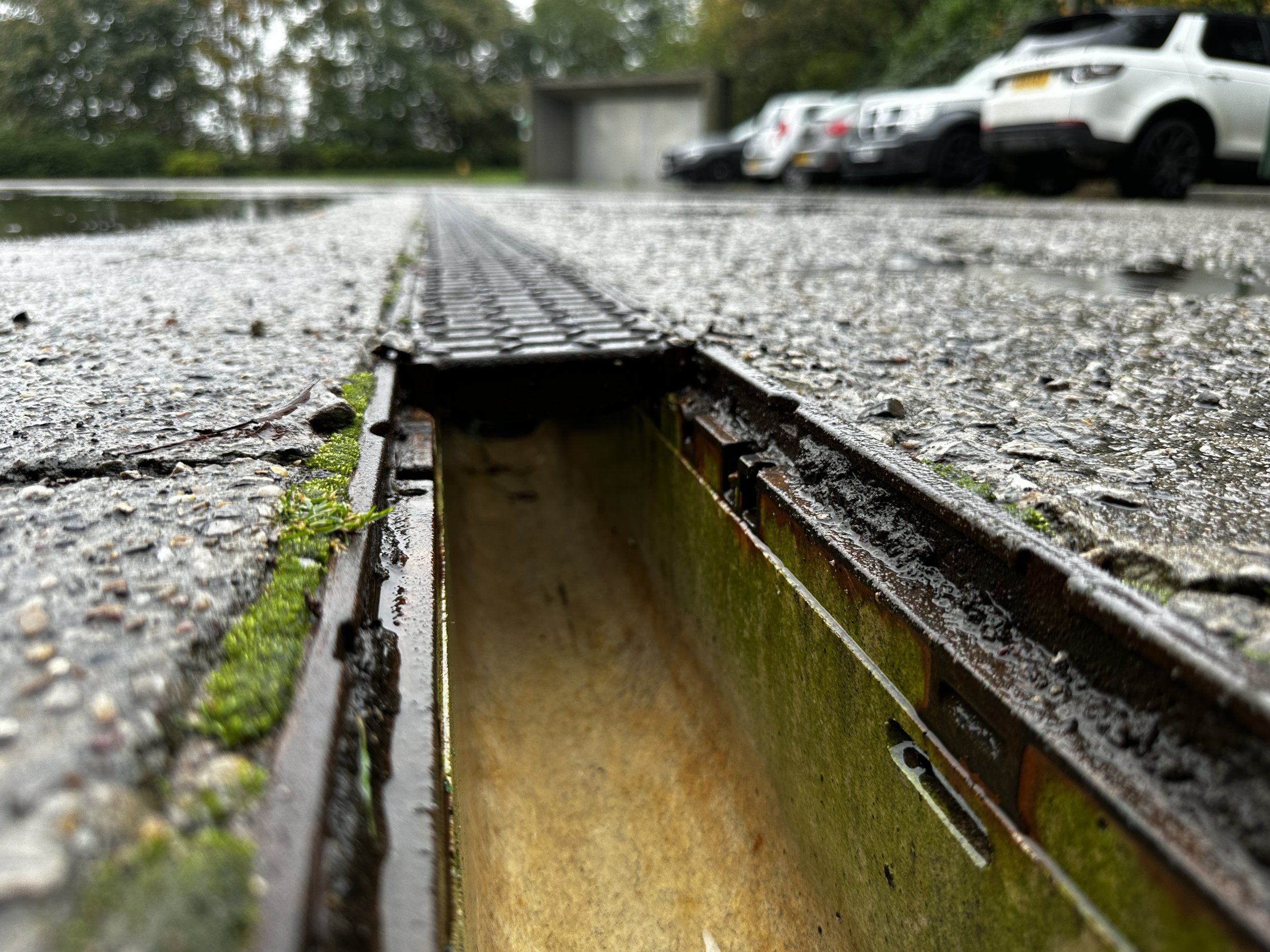
Close-up of a drainage grate on a wet asphalt parking lot, with small green moss growing along the edge, and cars parked in the background.
Open storm drain on asphalt street with a metal grate grille to the side.
Worker in safety vest and gloves installing or repairing a vertical pipe in a street drain, next to a drainage truck with signage for PTS Drainage.

What Can Be Included in a Drainage PPM Package?

Each site is different, so our planned maintenance visits can be tailored to suit the requirements of your drainage system.

Typical PPM works can include:

Gully Emptying & Cleaning

Gullies can quickly fill with silt, leaves, litter, sludge and road debris. If not emptied regularly, they can stop taking water and lead to localised flooding.

Our gully maintenance service includes vacuum emptying, cleaning, outlet jetting and flow testing where required.

A close-up view of a storm drain on a paved street with weeds growing through it. The photo is taken from a person's perspective, showing beige boots standing on the street.
Weeds growing in a street drain cover, with trash and dirt around them, next to a curb on an asphalt road.
Worker in rubber boots using a vacuum hose to clean a long, open drainage grate on a parking lot, with trucks and a person in the background.
Green weeds growing in the crack of a sidewalk next to a bicycle lane.

Gully Emptying & Cleaning

Gullies can quickly fill with silt, leaves, litter, sludge and road debris. If not emptied regularly, they can stop taking water and lead to localised flooding.

Our gully maintenance service includes vacuum emptying, cleaning, outlet jetting and flow testing where required.

A close-up view of a storm drain on a paved street with weeds growing through it. The photo is taken from a person's perspective, showing beige boots standing on the street.
Weeds growing in a street drain cover, with trash and dirt around them, next to a curb on an asphalt road.
Worker in rubber boots using a vacuum hose to clean a long, open drainage grate on a parking lot, with trucks and a person in the background.
Green weeds growing in the crack of a sidewalk next to a bicycle lane.

ACO & Slot Drain Cleaning

ACO channels and slot drains are commonly found in car parks, loading bays, fuel islands, wash bays and external hardstanding areas.

These systems can collect heavy deposits of silt, debris, oils and general waste. Regular cleaning helps restore capacity and prevents surface water from pooling.

A close-up view of a storm drain on a paved street with weeds growing through it. The photo is taken from a person's perspective, showing beige boots standing on the street.
Weeds growing in a street drain cover, with trash and dirt around them, next to a curb on an asphalt road.
Worker in rubber boots using a vacuum hose to clean a long, open drainage grate on a parking lot, with trucks and a person in the background.
Green weeds growing in the crack of a sidewalk next to a bicycle lane.

Interceptor Emptying & Servicing

Interceptors are designed to capture oils, fuels, silt and solids before water discharges into the drainage system. If they are not maintained, they can become full and ineffective.

We can provide scheduled interceptor emptying and cleaning, including waste removal, chamber wash down, water recharge where required and waste transfer documentation.

A close-up view of a storm drain on a paved street with weeds growing through it. The photo is taken from a person's perspective, showing beige boots standing on the street.
Weeds growing in a street drain cover, with trash and dirt around them, next to a curb on an asphalt road.
Worker in rubber boots using a vacuum hose to clean a long, open drainage grate on a parking lot, with trucks and a person in the background.
Green weeds growing in the crack of a sidewalk next to a bicycle lane.

Surface Water Drainage Cleaning

Surface water systems can become restricted by silt, leaves, stones, vegetation and debris. This can lead to standing water, flooding and surcharged manholes.

We can clean and jet surface water lines to maintain flow and reduce the likelihood of blockages during heavy rainfall.

A close-up view of a storm drain on a paved street with weeds growing through it. The photo is taken from a person's perspective, showing beige boots standing on the street.
Weeds growing in a street drain cover, with trash and dirt around them, next to a curb on an asphalt road.
Worker in rubber boots using a vacuum hose to clean a long, open drainage grate on a parking lot, with trucks and a person in the background.
Green weeds growing in the crack of a sidewalk next to a bicycle lane.

Foul Drain Maintenance

Foul drainage systems can suffer from scale, fat, grease, wipes, debris and other restrictions. Planned cleaning can help reduce foul blockages, odours and operational disruption.

Where required, we can also recommend CCTV surveys to assess internal pipe condition.

A close-up view of a storm drain on a paved street with weeds growing through it. The photo is taken from a person's perspective, showing beige boots standing on the street.
Weeds growing in a street drain cover, with trash and dirt around them, next to a curb on an asphalt road.
Worker in rubber boots using a vacuum hose to clean a long, open drainage grate on a parking lot, with trucks and a person in the background.
Green weeds growing in the crack of a sidewalk next to a bicycle lane.

CCTV Drain Surveys

CCTV surveys can be included as part of a planned maintenance programme to identify defects, recurring issues or changes in drainage condition.

This can help identify:

  • Root ingress

  • Collapsed or damaged pipes

  • Displaced joints

  • Scale build-up

  • Fat or grease deposits

  • Silt accumulation

  • Unknown connections

  • Areas requiring remedial works

Reports and footage can be provided following the survey.

A close-up view of a storm drain on a paved street with weeds growing through it. The photo is taken from a person's perspective, showing beige boots standing on the street.
Weeds growing in a street drain cover, with trash and dirt around them, next to a curb on an asphalt road.
Worker in rubber boots using a vacuum hose to clean a long, open drainage grate on a parking lot, with trucks and a person in the background.
Green weeds growing in the crack of a sidewalk next to a bicycle lane.

Who Needs Drainage PPM?

Suitable Sites for Drainage PPM

Planned preventative drainage maintenance is suitable for a wide range of commercial and public sector sites, including:

  • Industrial estates

  • Retail parks

  • Distribution centres

  • Warehouses

  • Bus stations and transport hubs

  • Fire stations

  • Schools and colleges

  • Commercial yards

  • Manufacturing sites

  • Waste transfer sites

  • Fuel stations

  • Local authority sites

  • Facilities management contracts

  • Construction and development sites

Any site with external drainage, interceptors, gullies, ACO channels or recurring drainage issues can benefit from a planned approach.

A close-up view of a storm drain on a paved street with weeds growing through it. The photo is taken from a person's perspective, showing beige boots standing on the street.
Weeds growing in a street drain cover, with trash and dirt around them, next to a curb on an asphalt road.
Worker in rubber boots using a vacuum hose to clean a long, open drainage grate on a parking lot, with trucks and a person in the background.
Green weeds growing in the crack of a sidewalk next to a bicycle lane.

How Often Should Drainage Be Maintained?

The recommended maintenance frequency depends on the type of site, volume of traffic, drainage layout and the amount of silt, sludge or debris entering the system.

As a general guide:

  • High-use commercial yards may require cleaning every 3–6 months

  • Gullies and ACO drains are often maintained annually or bi-annually

  • Interceptors are commonly serviced every 6–12 months

  • Sites with recurring flooding may require more frequent checks

  • Lower-risk sites may only require annual maintenance

Following an initial visit, we can recommend a suitable maintenance frequency based on actual site conditions.

A close-up view of a storm drain on a paved street with weeds growing through it. The photo is taken from a person's perspective, showing beige boots standing on the street.
Weeds growing in a street drain cover, with trash and dirt around them, next to a curb on an asphalt road.
Worker in rubber boots using a vacuum hose to clean a long, open drainage grate on a parking lot, with trucks and a person in the background.
Green weeds growing in the crack of a sidewalk next to a bicycle lane.

Planned Maintenance Reports & Documentation

Following maintenance visits, we can provide clear records of the works completed.

Where applicable, this can include:

  • Job sheets

  • Photos

  • CCTV footage

  • Condition reports

  • Waste transfer notes

  • Duty of care documentation

  • Recommendations for remedial works

  • Suggested future maintenance frequency

This provides a clear audit trail and helps facilities teams demonstrate that drainage assets are being maintained properly.

A close-up view of a storm drain on a paved street with weeds growing through it. The photo is taken from a person's perspective, showing beige boots standing on the street.
Weeds growing in a street drain cover, with trash and dirt around them, next to a curb on an asphalt road.
Worker in rubber boots using a vacuum hose to clean a long, open drainage grate on a parking lot, with trucks and a person in the background.
Green weeds growing in the crack of a sidewalk next to a bicycle lane.

Benefits of a Drainage PPM Agreement

A planned drainage maintenance agreement gives you greater control over your site drainage and reduces the risk of unexpected issues.

Benefits include:

  • Regular scheduled maintenance

  • Reduced likelihood of emergency call-outs

  • Improved drainage performance

  • Better site safety

  • Reduced risk of flooding

  • Clear maintenance records

  • Easier budgeting

  • Early identification of defects

  • Priority support where required

Rather than reacting to problems after they occur, a PPM programme helps keep your drainage system working properly throughout the year.

A close-up view of a storm drain on a paved street with weeds growing through it. The photo is taken from a person's perspective, showing beige boots standing on the street.
Weeds growing in a street drain cover, with trash and dirt around them, next to a curb on an asphalt road.
Worker in rubber boots using a vacuum hose to clean a long, open drainage grate on a parking lot, with trucks and a person in the background.
Green weeds growing in the crack of a sidewalk next to a bicycle lane.

Planned & Reactive Support

Even with regular maintenance, unexpected issues can still occur. Alongside PPM works, PTS Drainage can also provide reactive drainage support where required.

This includes:

  • Emergency drain unblocking

  • High-pressure water jetting

  • Flood water removal

  • CCTV investigations

  • Tanker and jet vac works

  • Interceptor issues

  • Gully and ACO blockages

This means you have one contractor who can support both planned maintenance and urgent drainage issues.

A close-up view of a storm drain on a paved street with weeds growing through it. The photo is taken from a person's perspective, showing beige boots standing on the street.
Weeds growing in a street drain cover, with trash and dirt around them, next to a curb on an asphalt road.
Worker in rubber boots using a vacuum hose to clean a long, open drainage grate on a parking lot, with trucks and a person in the background.
Green weeds growing in the crack of a sidewalk next to a bicycle lane.

Think We Can Help?
Contact Us Today

Please click the button below to fill out our enquiry form or alternatively call us on 0114 261 7015 for advice.